Endometriosis can make conception harder through inflammation, adhesions, ovarian endometriomas and changes to pelvic anatomy, even when periods are regular. You will learn which symptoms warrant prompt assessment, which fertility tests matter, and how doctors weigh observation, medication, surgery and IVF against your age and ovarian reserve.
Key takeaways
- Seek assessment if pregnancy has not occurred or endometriosis symptoms affect daily life.
- Ultrasound, ovarian reserve testing and tubal assessment help guide fertility planning.
- Choose natural attempts, insemination or IVF based on age, ovarian reserve and pelvic findings.
- Discuss surgery’s potential benefits and its effect on ovarian reserve before proceeding.
How endometriosis can affect conception—and when to seek assessment
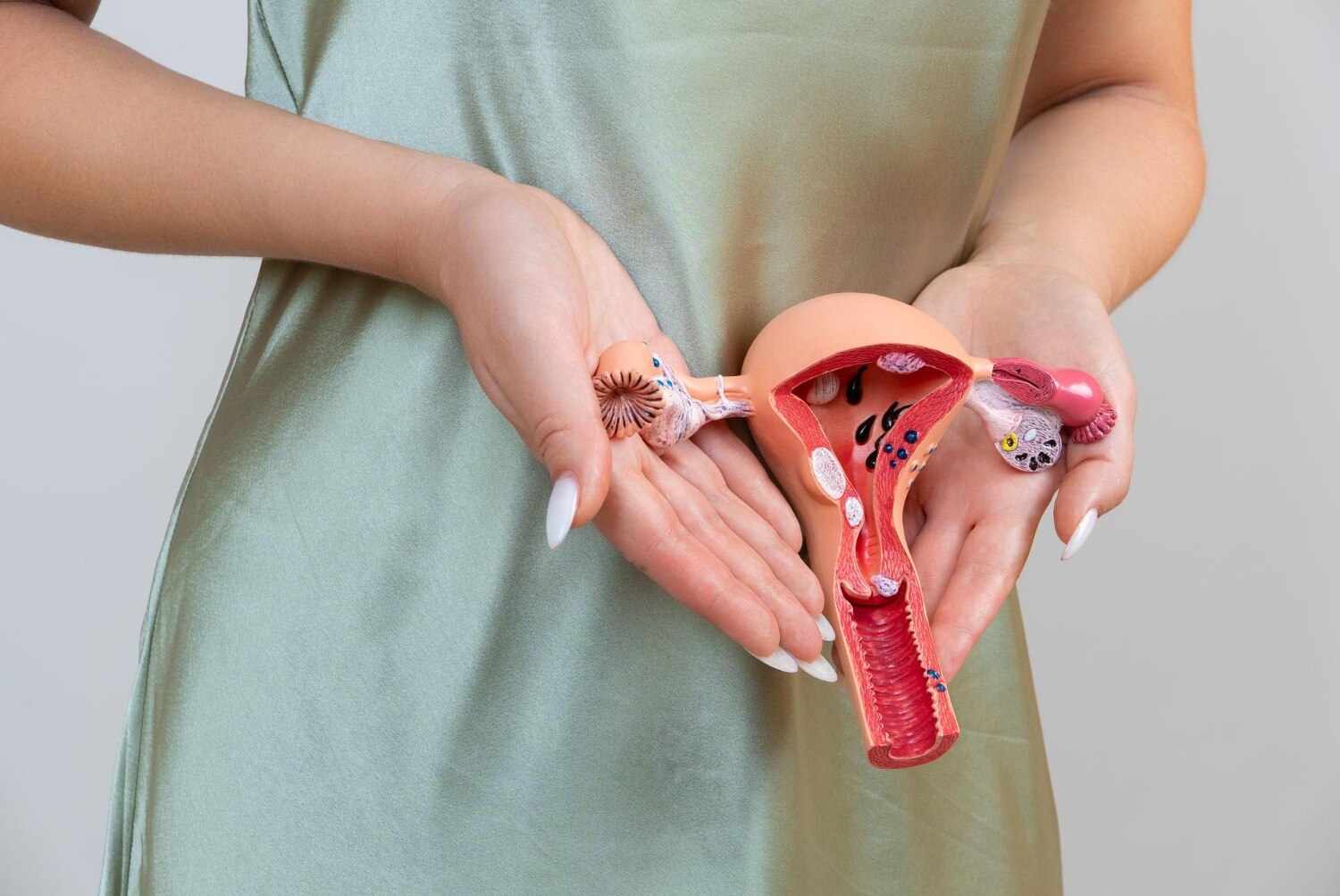
Endometriosis can hinder conception even when ovulation and periods appear regular. Inflammation can impair sperm, egg and embryo movement; adhesions can make pelvic organs stick together, while distorted tubes or ovaries can block egg pickup. An ovarian endometrioma can damage healthy ovarian tissue, and the disease or its surgery can reduce ovarian reserve.
Seek assessment for any of these symptoms:
- Severe period pain
- Pain during sex
- Pain with bowel movements or urination during menstruation
- Chronic pelvic pain
- Difficulty conceiving despite regular cycles
Pain does not reliably reveal disease extent. Severe pain can occur with limited visible disease, while extensive endometriosis can cause few symptoms. Do not wait for pain to become severe before discussing fertility.
If you are searching for endometriosis treatment in kasarvadavali, assessment is generally advised after 12 months of regular unprotected intercourse when you are under 35, or after six months when you are 35 or older. Seek care without waiting if you are over 40, have known endometriosis, irregular ovulation or suspected tubal disease.
Fertility assessment can begin alongside pain evaluation; postponing it until treatment is complete can waste time, particularly when ovarian reserve or age is a concern.
Which tests investigate endometriosis-related infertility?
Assessment starts with your menstrual and fertility history, including cycle timing, ovulation pattern, duration of trying, prior pregnancies, miscarriages, pelvic surgery and pain with periods, sex, bowel movements or urination. A pelvic examination and the partner’s semen analysis complete the initial review.
For someone seeking endometriosis treatment in Thane, infertility evaluation need not wait until pain treatment finishes.
Diagnostic laparoscopy is not automatically required before fertility treatment. It is an operation, so the expected benefit must be weighed against surgical risks, symptoms, examination findings, imaging, fertility goals and your preference.
- Transvaginal ultrasound can identify an ovarian endometrioma and many cases of deep endometriosis.
- MRI can map suspected deep disease when surgery requires detailed planning.
- Ovarian-reserve tests, such as AMH and antral follicle count, are useful when age, previous ovarian surgery, an endometrioma or treatment planning raises concern about egg supply.
- Tubal patency is checked with hysterosalpingography, which uses contrast and X-rays, or HyCoSy, which uses ultrasound and contrast.
| Test | Main use | Important limit |
|---|---|---|
| Transvaginal ultrasound | Endometrioma and deep disease | A normal scan does not exclude superficial peritoneal endometriosis |
| MRI | Maps deep disease for surgical planning | Does not predict fertility alone |
| Ovarian-reserve testing | Estimates remaining follicle supply | Does not confirm endometriosis |
| Hysterosalpingography or HyCoSy | Checks whether tubes are open | Does not assess every pelvic adhesion |
How doctors choose between trying naturally, insemination and IVF
The immediate goal determines the treatment. If pregnancy is not being attempted, combined hormonal contraceptives, progestogens or GnRH medicines can suppress endometriosis-related pain. They prevent conception while used and do not treat infertility, so they are not a fertility treatment.
| Option | What it involves | When it may fit |
|---|---|---|
| Expectant management or timed intercourse | Confirm ovulation and have intercourse during the fertile window | Younger patient, short infertility duration, open tubes, reassuring ovarian reserve and semen results |
| Ovulation induction with or without IUI | Medicines stimulate ovulation; IUI places prepared sperm inside the uterus | Ovulation problems, unexplained infertility or mild male-factor infertility when at least one tube is open |
| IVF | Eggs are collected, fertilised in the laboratory and an embryo is transferred | Blocked tubes, substantial male-factor infertility, reduced ovarian reserve, advanced reproductive age, prolonged infertility or failed simpler treatment |
Endometriosis stage alone does not choose the route. Doctors weigh age, infertility duration, ovarian reserve, tubal status, semen results, disease location, pain, previous operations and your preferred pregnancy timeline. Expectant management becomes less attractive as time passes or reserve falls.
IVF bypasses some pelvic and tubal problems, but it does not remove endometriosis or guarantee pregnancy. Pregnancy is not a cure; symptoms can recur afterward.
If you search for infertility specialist kasarvadavali, ask whether the clinician coordinates fertility planning with pain care and refers promptly for IVF when needed.
When endometriosis surgery helps—and when it can reduce fertility
Laparoscopic treatment can improve spontaneous pregnancy chances for selected patients with stage I or II endometriosis, but an imaging finding alone does not make surgery the best next step. An endometriosis and infertility doctor weighs your age, ovarian reserve, symptoms, tubal status, semen results, disease location and pregnancy timeline.
For an ovarian endometrioma, removal can reduce ovarian reserve by removing healthy ovarian tissue with the cyst. Surgery is considered for substantial pain, suspicious features, rapid growth, infection, obstruction of follicle access, suspected malignancy or another clear clinical reason. Routine removal before IVF or intracytoplasmic sperm injection is not recommended solely to improve live-birth rates.
The trade-offs include bleeding, infection, adhesions, recurrence and delayed fertility treatment. The risk of losing ovarian tissue rises after repeat surgery and bilateral ovarian surgery. Ask before consenting:
- What fertility benefit do you expect from surgery in my case?
- Will you measure ovarian reserve with anti-Müllerian hormone and antral follicle count beforehand?
- Could surgery reduce the number of eggs retrieved or make follicle access harder?
- What are the risks of adhesions, recurrence and further ovarian-tissue loss?
- Can we proceed to IVF or intracytoplasmic sperm injection without surgery, and what would that involve?
The decision should match your symptoms and pregnancy plan, not the endometriosis stage or scan report alone.
How to choose endometriosis and fertility care in Kasarvadavali or Thane
Choose care by the service you need, not by a label such as “endometriosis specialist.” A search for infertility treatment in Thane should separate these roles:
| Option | What it covers | When it applies |
|---|---|---|
| Pain-focused gynecological care | Medicines, symptom review and pelvic assessment | Pain is the immediate problem |
| Fertility evaluation | Ovulation, ovarian reserve, semen and tubal assessment | Pregnancy has not occurred or conception is time-sensitive |
| Assisted reproduction | Timed intercourse, ovulation induction, insemination and IVF coordination | Test results and pregnancy timeline guide treatment |
| Advanced minimally invasive surgery | Laparoscopy for selected endometriosis, endometrioma or adhesion problems | Imaging, symptoms and fertility goals support an operation |
Use this appointment checklist:
- Ask who performs and interprets the transvaginal ultrasound, and whether the report assesses endometriomas and deep disease.
- Ask whether ovarian reserve will be checked before ovarian surgery, especially with an endometrioma, previous surgery or delayed pregnancy plans.
- Ask how the clinic evaluates semen and tubal factors, including semen analysis and hysterosalpingography or HyCoSy.
- Ask whether it offers timed-intercourse or ovulation-induction planning, and when it refers to an IVF unit or multidisciplinary endometriosis team.
Dr Kiran Shinde Aiwale-Best Gynecologist in Thane can be considered for coordinated gynecological and infertility evaluation across Kasarvadavali and Thane, with referrals based on findings and your pregnancy timeline.
Seek urgent review for rapidly worsening pain, a suspicious ovarian mass, or difficulty conceiving alongside known endometriosis.
Related services
Infertility Specialist in Kasarvadavali Infertility Specialist in Kasarvadavali,Thane West Dr Kiran Shinde Aiwale is the Best Infertility Specialist in Kasarvadavali, Ghodbunder Road, Kavesar, Hiranandani Estate, Patlipada, Waghbil,... View service → |
Hysteroscopy Gynae Surgeon Dr Kiran Shinde Aiwale is the Best Hysteroscopy Gynae Surgeon in Kasarvadavali, Ghodbunder Road, Kavesar, Hiranandani Estate, Patlipada, Waghbil,... View service → |
Frequently asked questions
How can endometriosis affect conception?
Inflammation, adhesions, distorted fallopian tubes and ovarian endometriomas can interfere with sperm movement, egg pickup, embryo transport and ovarian tissue.
Which tests investigate endometriosis-related infertility?
Assessment can include a medical history, pelvic examination, transvaginal ultrasound, ovarian reserve testing, semen analysis and tests that check whether the fallopian tubes are open.
How do doctors choose between trying naturally, insemination and IVF?
The decision depends on age, duration of infertility, ovarian reserve, semen results, tubal condition, endometriosis severity and previous treatment.
When can endometriosis surgery reduce fertility?
Surgery can reduce fertility when removal of an ovarian endometrioma damages healthy ovarian tissue or lowers ovarian reserve, so its benefits and risks require individual assessment.
Keywords